
This post may contain affiliate links. By clicking and making a purchase through the links, I earn a small commission at no extra cost to you. See my disclaimer for more information. This and display ads allow me to keep the site up to date and give back.
Most people don’t think of the Caribbean as one of the best islands for adventure travel, and that’s exactly why I love it. They picture the Caribbean and see a sunlounger, a frozen drink, and not much else.
I get it. But after living in Barbados for two months, spending a month working remotely and exploring Dominica, diving in Curacao, and hiking through Antigua and Barbuda, I can tell you that the Caribbean is one of the most underrated adventure destinations in the world.
The islands in the southern and eastern Caribbean especially sit outside the main hurricane belt, which means more predictable weather year-round and good conditions for diving, hiking, and exploring in almost any season. If you want more from your Caribbean trip than a tan, here’s where to go.
Quick answer: The best Caribbean islands for adventure are Dominica for rainforest hiking and waterfalls, Curacao and Bonaire for world class diving, Antigua for sailing and coastal trails, and Barbados for surfing. The southern and eastern islands sit outside the main hurricane belt, so conditions stay good for outdoor activities most of the year. In Dominica, do not miss the Boiling Lake hike, and divers should read my roundup of the best destinations for scuba diving. I book small group adventure tours and day trips through Viator and coastal stays on Booking.com.
Getting Around the Caribbean

Part of the adventure in the Caribbean is the getting around itself, because your transport options here are actually fun.
The most memorable way to move between islands is by small prop plane. I’ve taken these inter-island flights several times, and they’re an experience in their own right. Think tiny eight-seaters, runway views of turquoise water, and landings on airstrips so short you wonder if the pilot is joking. It’s the kind of thing that feels terrifying for about thirty seconds and then becomes one of your favorite travel memories.
For a slower pace, sailing between islands is hard to beat. Antigua in particular is the superyacht capital of the world and has a sailing culture unlike anywhere else in the Caribbean. Every single person I met there was either living on a sailing yacht or desperately trying to get on one, very much Below Deck energy. You don’t need to know anything about boats to enjoy it though. Charter a catamaran for a day, join a sailing trip, or if you’re feeling ambitious, take a lesson at the National Sailing Academy and see where it leads. I spent a day on the water with Dojo On The Waves sailing along the Antiguan coastline into a Caribbean sunset, and it was one of the best days of that whole trip.
If you want to cover multiple islands without dealing with inter-island logistics at all, a Southern Caribbean cruise is the most practical option. Itineraries are pre-planned, you unpack once, and you can go hard on adventures at each stop without burning half the day on transport. It’s a great way to sample several islands and figure out which ones you want to go back to properly.
Best Caribbean Islands for Adventure
1. Dominica
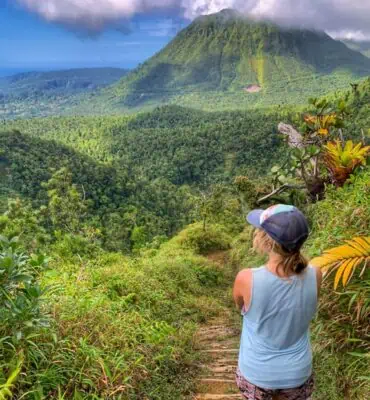
Dominica doesn’t look like the Caribbean postcards. It’s dark green, volcanic, and dramatic, covered in rainforest with rivers cutting through the interior. I spent a month here working remotely and exploring, and I still didn’t run out of things to do.
We visited over 20 waterfalls during that month. The island has so many that you lose count. Sari-Sari and Victoria Falls are the most well-known, but half the magic is finding the ones that aren’t on any list.
It’s also where I learned to free dive. Dominica is considered one of the best free diving destinations in the world, with depth close to shore, excellent visibility, and calm water. Soufriere on the south of the island is the place to go for lessons, and while you’re there you can soak in natural hot springs in the ocean, which feels completely unreal.
The diving more broadly is world-class. Dominica also has one of the largest year-round populations of sperm whales in the world, and you can snorkel with them or join a whale-watching tour from the surface. It’s one of those wildlife encounters that stays with you.
On land, the trail to the second-largest boiling lake in the world is a full-day hike through volcanic terrain and cloud forest, and a trail runs the entire length of the country if you have the time and the legs for it.
2. Curacao

People know Curacao for Willemstad, the pastel-colored waterfront capital that looks like it was lifted straight out of the Netherlands. What they miss is what’s happening below the surface and on the hiking trails.
The diving in Curacao is world-class. Wreck divers will love the SS Superior Producer, a cargo ship that sank off Willemstad in 1977 and now sits 30 meters down, so covered in coral it barely reads as a shipwreck anymore. There are also cave swims and snorkeling spots with water so clear and turquoise it looks edited.
I hiked Curacao’s highest peak early one morning before the heat kicked in, and even though the elevation gain isn’t dramatic, the views from the top made the sweaty climb completely worth it. The island looks completely different from up there. Get an early start if you go because by mid-morning the heat is no joke.
3. Puerto Rico
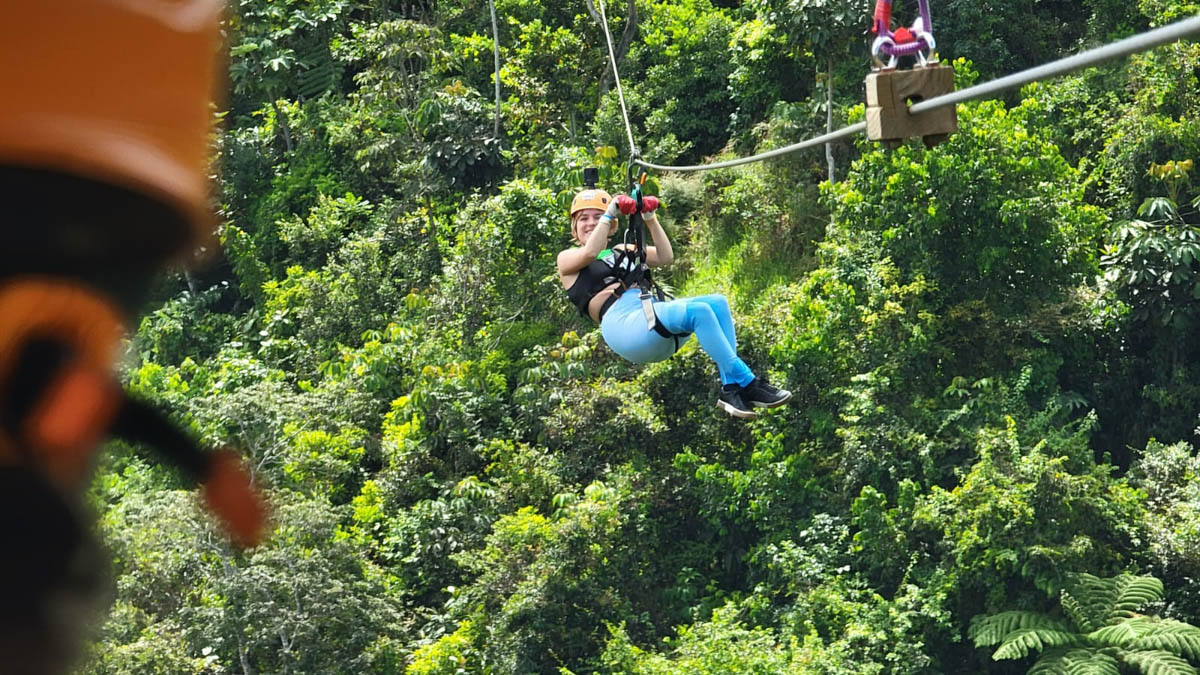
Puerto Rico packs more adventure into a small island than almost anywhere I’ve been. It’s only 100 miles long and 35 miles wide, but it has rainforests, caves, bioluminescent bays, mountain zip lines, and surf breaks all within a short drive of each other.
El Yunque National Forest is the only tropical rainforest in the U.S. national forest system, and one of the best things you can do there is join a tour that takes you hiking and sliding down the natural waterfall slides inside the park. It’s absurdly fun and the forest itself is stunning, with over 240 species of plants and animals.
For a bigger adrenaline hit, Toro Verde Adventure Park in the central mountains has a seven-course zipline through spectacular mountain scenery. They also have one of the world’s longest ziplines, called the Superman, which is exactly as intense as it sounds.
Rio Camuy Cave Park is another one that most people skip and absolutely shouldn’t. It contains the third-largest underground river in the world, carved through an enormous network of limestone caves that you can walk through on a guided tour. Go as early as possible because the climb back out in the heat is no joke.
And if you can make it to the island of Vieques, Mosquito Bay was recognized by the Guinness Book of World Records as the brightest bioluminescent bay in the world. Kayaking through it at night with 700,000 glowing microorganisms per gallon of water is one of those experiences that’s hard to describe.
4. Barbados
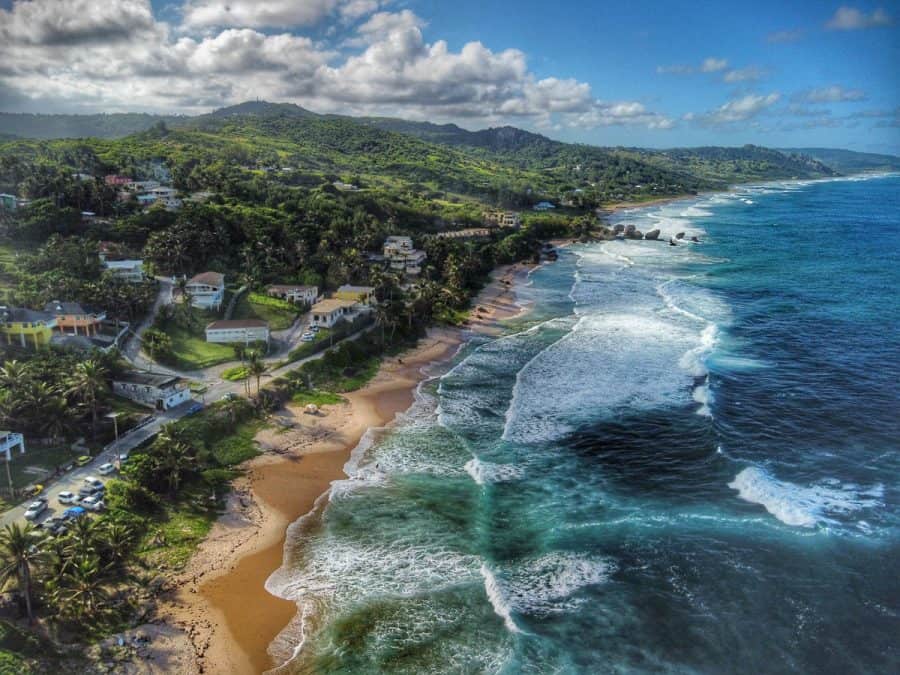
I lived in Barbados for two months, and I spent a lot of that time in the water. What makes Barbados unique is that it has access to both the calm Caribbean Sea on the west coast and the open Atlantic Ocean on the east, which means completely different surf conditions on each side of the island.
Learning to surf at Freights Bay on the south coast was magical. The waves are small and consistent, and there are sea turtles in the water with you while you wait for sets. I’ve surfed in a lot of places and that was the place I felt the most relaxed.
Intermediate surfers should check out South Point or Brandon’s on the west coast. And if you’re advanced, Bathsheba on the east coast is where you want to be. Soup Bowl there is a world-class barrel wave with a reputation that brings serious surfers from everywhere.
Beyond surfing, Barbados has a hiking scene that most visitors completely overlook. The east coast especially has rugged coastal trails with views over the Atlantic that are a total contrast to the calm resort beaches on the other side.
It’s also one of the safest islands in the Caribbean. As a solo female traveler, I felt comfortable walking back to my apartment at night, which matters when you’re planning to be out early for surf or late after exploring.
5. Antigua and Barbuda
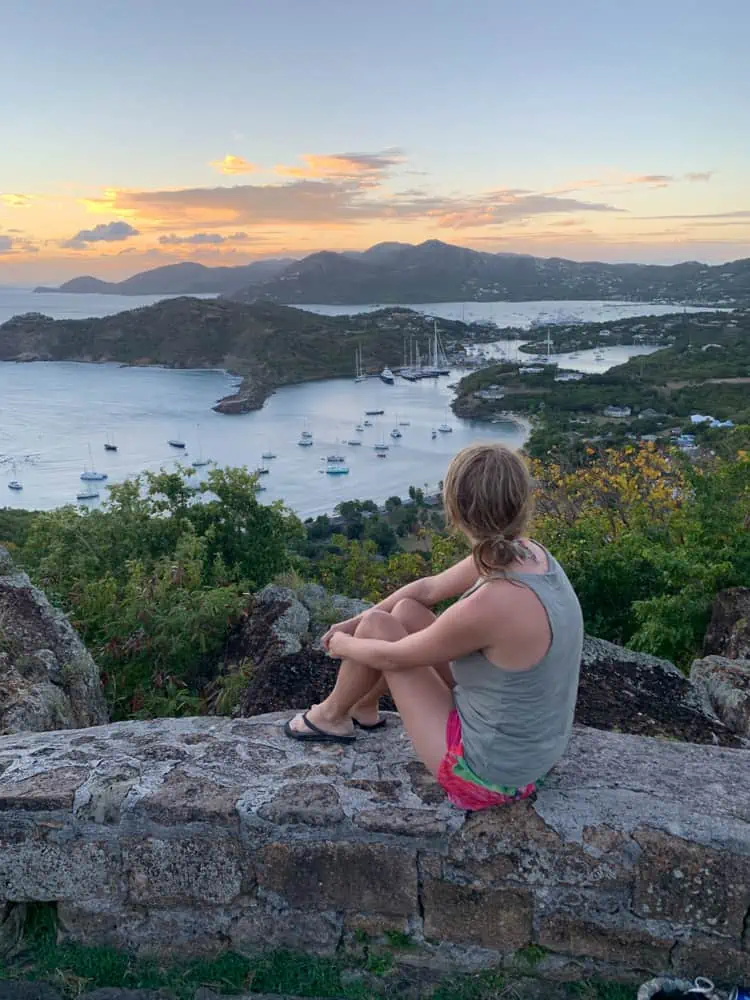
I’ve been to Antigua and Barbuda twice now, once working remotely in 2021 and again on a press trip, and both times I left thinking it’s one of the most underrated adventure islands in the Caribbean. Most people come for the 365 beaches. The adventure travelers tend to be pleasantly surprised.
On the water, the options go way beyond a beach day. I went diving with Soul Immersion in 2021 and saw sea turtles, stingrays, and reef sharks. On my most recent trip we did a snorkeling tour with Coco Vibes, which took us to a beautiful shipwreck and a guide who handed out reef-safe sunscreen and local knowledge in equal measure.
There’s also Stingray City, where you wade into shallow Caribbean water surrounded by stingrays gliding past you, and scooter snorkeling, which lets you cover far more of the reef with a lot less effort.
On land, the e-bike tour was one of my favorite things I’ve done on the island. We rode from Darkwood Beach across a dried-up salt lake, which was surreal, with a support truck stocked with water and coconuts and a detour up to a viewpoint that made the whole ride worth it. The ziplining through the rainforest is fun too. We did the six-course zipline and the last line, called the screamer, absolutely delivers.
For hiking, the trail up Signal Hill through Wallings Nature Reserve takes you past a Victorian-era dam and up to a 360-degree view of the island. The goat trail between Pigeon Beach and Nelson’s Dockyard is a shorter option with panoramic views of both Falmouth and English Harbours, and yes, actual goats. Mount Obama, the island’s highest point at 402 meters, has incredible views if you can get a vehicle with enough clearance to make it up the road.
6. Jamaica

Jamaica gets a lot of attention for its beaches and chill reggae lifestyle, but the adventure side of the island is seriously underrated. Dunn’s River Falls alone is worth the trip. The iconic terraced waterfall is one of the most memorable things I’ve done in the Caribbean, and climbing up through the cascades with the cold water rushing over you in that humidity is its own kind of magic.
Beyond the falls, Jamaica has serious hiking in the Blue Mountains, which rise to over 2,200 meters and offer trails through coffee plantations and cloud forest with views across the whole island. The Blue Mountains are also the source of one of the world’s most expensive coffees, and you can tour the farms on your way up.
The north coast has excellent diving and snorkeling, and the island’s rivers offer rafting and tubing options if you want to stay on the water without getting into the ocean. Jamaica rewards the travelers who look past the resort strip.
7. Saint Lucia

Saint Lucia is one of the most visually striking islands in the Caribbean. The twin Piton peaks rise straight out of the water and the interior is dense with rainforest. It also has some of the best hiking in the region.
Gros Piton gains around 570 meters of elevation and gets steep near the top, taking two to three hours to climb. A licensed guide is required, and the payoff at the summit is a full panoramic view over the island and the sea. It’s not a casual walk but completely doable for anyone reasonably fit.
If you time your trip right, the Saint Lucia Jazz and Arts Festival runs each May across indoor and outdoor venues. Several of the outdoor stages are free, which makes it an easy reason to plan a trip around something beyond just the hiking.
When to Visit the Caribbean
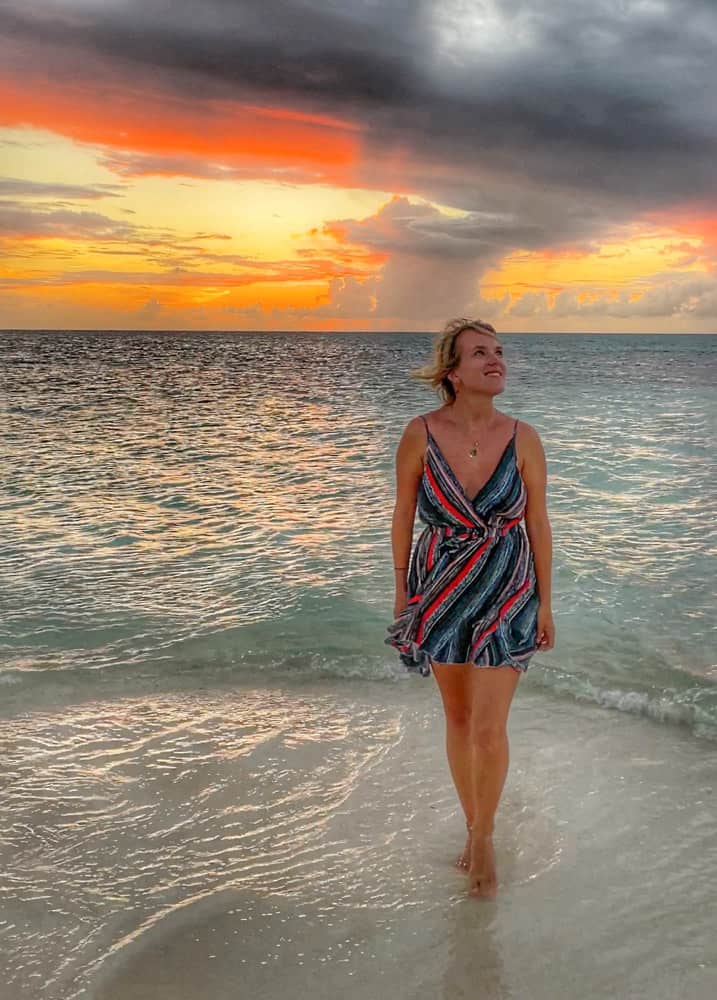
The Caribbean has two distinct seasons, and which one is better depends entirely on what kind of traveler you are.
The dry season runs December through April. Humidity is low, the seas are calm, and the weather is about as reliable as it gets in the tropics. This is peak season, which means higher prices, more crowds on the popular trails and dive sites, and resorts that book up fast. If you’re planning a diving trip or want guaranteed sunshine for hiking, this is the window to target.
The wet season runs roughly May through November, and it gets an unfairly bad reputation. Yes, you’ll get rain, but in most cases it comes in short afternoon bursts rather than all-day downpours. The trails are greener, the waterfalls are fuller, the prices are significantly lower, and you’ll share the experience with far fewer people. I’ve traveled the Caribbean in both seasons and some of my best days were during the wet season.
One important distinction: the southern and eastern Caribbean islands, including Dominica, Grenada, Barbados, Curacao, and Antigua, sit outside the main hurricane belt. That means even during hurricane season, the weather here is more stable and predictable than the northern islands. It’s one of the reasons this part of the Caribbean is worth prioritizing if you’re planning an active trip and want flexibility on timing.
If you’re choosing based on specific activities, surfing in Barbados is best from November through March when the Atlantic swells are strongest. Whale watching in Dominica is good year-round since the sperm whale population there is resident, not seasonal.
Is the Caribbean Good for Adventure?
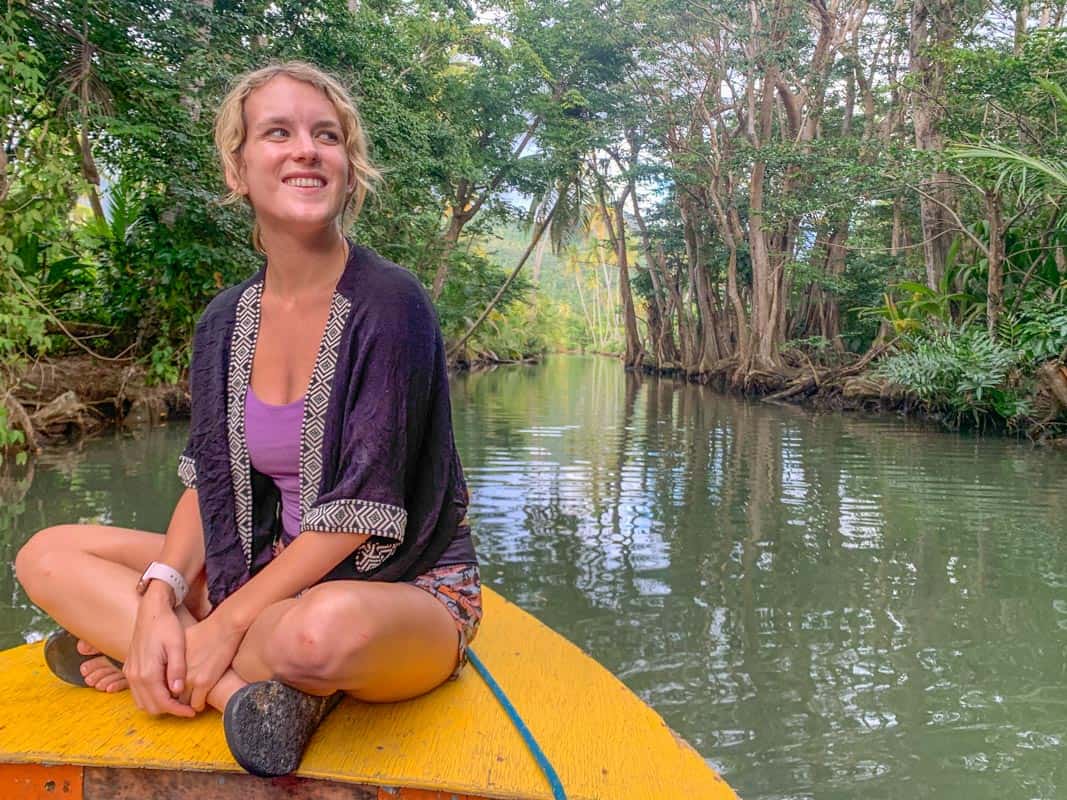
I’ve been traveling for over 17 years across every continent, and the Caribbean still surprises me. It’s one of those regions that’s so easy to underestimate because the postcard version is so dominant. Beach, cocktail, repeat. But that’s only one version of it.
The islands I’ve written about here gave me some of my most memorable adventure experiences anywhere in the world. From Learning to free dive in Dominica, to surfing with sea turtles in Barbados, and sliding down waterfalls in a Puerto Rican rainforest. Every single one of those happened in a place most people only associate with all-inclusives and sunburns.
You don’t have to choose between a trip that’s relaxing and one that’s worth talking about when you get home. The Caribbean is one of the few places in the world where you can do both in the same day, and do them well.
Planning a Caribbean Adventure Vacation
Give one island a full week if you want to hike, dive and still have a day of doing nothing. Two weeks covers two islands comfortably, and any more than that and you’ll spend the trip in airports. Island to island flights are short, but the schedules are limited, so check them before you commit to a two island trip.
When hurricane season actually runs
The Atlantic hurricane season officially runs June 1 to November 30, and about 97 percent of Atlantic tropical storms and hurricanes happen inside that window. The statistical peak is September 10, with most of the activity falling between mid August and mid October.
So if you want the lowest chance of losing days to weather, travel between December and May. June and late November sit inside the official season but well outside the peak, which is where you’ll find the quieter trails and the better rates.
Build the trip around the activity, not the resort
Diving, hiking and boat trips are the things weather actually cancels, so give yourself a spare day on either side of anything you’ve paid for in advance. Beach days can happen any time, but a full day at a dive site or on a rainforest hike can’t be rescheduled into an afternoon.
Frequently Asked Questions
Best Caribbean Adventure Islands at a Glance
| Island | Best Adventure | Vibe |
|---|---|---|
| Dominica | Volcano hikes, Boiling Lake, diving | Wild and untouched |
| Saint Lucia | Hiking the Pitons, ziplining | Dramatic and romantic |
| Bonaire | Shore diving, snorkeling, windsurfing | Laid-back diver paradise |
| Guadeloupe | Rainforest trails and waterfalls | French-Caribbean mix |
| Antigua | Sailing, coastal hikes, 365 beaches | Beach and boat |
| Grand Cayman | Wall diving, Stingray City | Polished and easy |
Which Caribbean island is best for adventure?
Dominica is the top pick for adventure travelers, with rainforest hikes, waterfalls, hot springs, and the challenging Boiling Lake trek. For underwater adventure, Curacao and Bonaire are hard to beat.
When is the best time to visit the Caribbean for outdoor activities?
December through April is the classic dry season with the most reliable weather. Southern islands like Curacao, Bonaire, and Aruba sit outside the main hurricane belt, so they stay good for diving and hiking almost year round.
Are the Caribbean islands good for hiking?
Yes. Dominica, Saint Lucia, Guadeloupe, and Antigua all have serious trails, from volcanic peaks and rainforest paths to coastal cliff walks. Bring proper shoes and plenty of water, since trails can be steep and humid.
Which Caribbean island is best for diving?
Bonaire and Curacao are legendary for easy shore diving and healthy reefs, while Dominica offers dramatic drop offs and Grand Cayman has famous wall dives. All have good visibility and warm water most of the year.
More Adventure Travel Guides
- Hiking in the Caucasus: Svaneti vs Kazbegi
- Hiking the Cabot Trail in Canada
- Best hikes near St. John’s, Newfoundland
